
Storm Claim Guidance for Homeowners
Protecting Your Rights After Storm Damage
Storm claims involve deadlines, paperwork, and complex insurance rules. Our guides help you document damage, understand your rights, and avoid common claim mistakes.
These resources reflect common storm insurance claim practices and documentation standards.
Use these resources before filing, during claim review, or if your claim is already in progress.

of homeowners insurance claims nationwide were closed without payment in 2024¹
of homeowner insurance claims were closed without any payout in 2024 by large U.S. insurers.
of claims denied payment across major insurers in recent reporting, denial rates rising.
¹ Houston Chronicle, analysis citing Weiss Ratings/NAIC filings.
² Houston Chronicle project page (Texas insurers / 2024 claims data).
³ Weiss Ratings: “14 Large U.S. Insurers Closed Nearly Half of Homeowner Claims With No Payment in 2024.”
⁴ Policygenius: “Homeowners Insurance Claims Statistics” (wind + hail share).

Post-Storm Guidance
Common Problems With Storm Insurance Claims
Storm damage turns everything upside down fast. Repairs need to happen, insurance asks for documentation you’ve never dealt with, and the process can feel confusing.
That’s where StormAdvocate.org comes in. We provide clear, step-by-step guidance so you understand what to do, what documentation matters, and what options are available if a claim stalls, falls short, or gets denied. Our goal is to help you avoid the mistakes that cause claims to stall, get underpaid, or close without payment.
Immediate Actions to Consider
What Homeowners Should Do
Below are three ways we support homeowners through the storm claim process.
Document Your Claim
the Right Way
Most claim problems start with missing or unclear documentation. We provide step by step guidance on what to photograph, what to save, what to write down, and how to organize your claim file.
- Get Documentation Checklist
Get a Checklist Built
for Your State
Claim rules vary by state. We provide state specific storm claim checklists, timelines, and plain language explanations so you know what matters where you live and what to do next.
- Free State Storm Claim Checklist
Get Trusted Legal Help When You Need It
- See Legal Options
Quick Access
What Can We Help You Find?
Common Pitfalls
Why Claims Fail
In our experience reviewing thousands of claims, we have seen the same three mistakes derail claims. All three are avoidable when you know what adjusters look for.
Missing the Notification Window
Claims may be denied if notice is delayed after damage is discovered.
✓ How to Avoid This:
Report damage promptly and understand your state deadlines
Incomplete Documentation
Incomplete records can delay claims or reduce payments.
✓ How to Avoid This:
Document damage with photos, dates, and repair estimates.
Accepting Payment
Too Quickly
Initial estimates may not reflect full repair costs.
✓ How to Avoid This:
Review estimates carefully before accepting payment.
These are often legitimate claims that break down because of preventable process mistakes, not because damage is not real.
State-Specific Guidance
Storm Claim Rights and Deadlines Vary by State
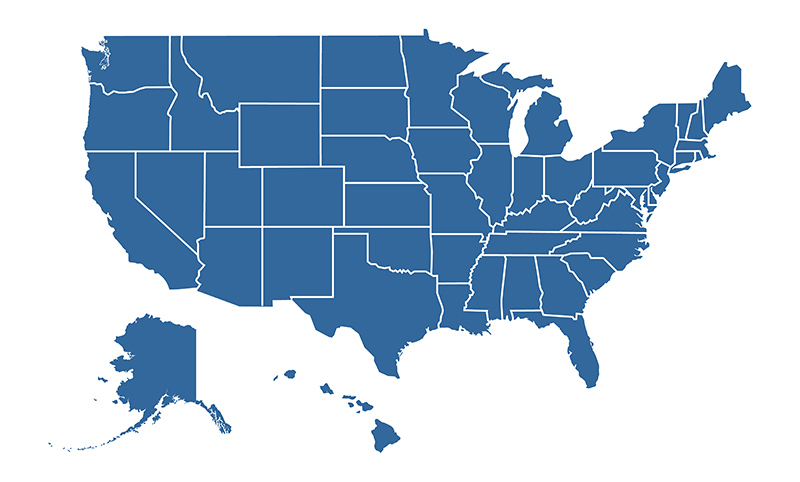
Storm insurance rules are not the same in every state. Notification deadlines, documentation standards, dispute rights, and legal timelines all vary.
The steps that protect a homeowner in Texas may not apply in Florida. The deadlines that matter in Louisiana may be different in Oklahoma.
Select your state below to see the specific rules, timelines, and protection steps that apply to you.
Texas
Texas storm claims often involve strict notice deadlines and detailed documentation. Missing reporting windows or incomplete proof can delay or prevent payment.
- Protect My Texas Storm Claim
Florida
Florida storm claims often involve hurricane deductibles and strict filing deadlines. Understanding recent insurance law changes can help avoid delays and disputes.
- Protect My Florida Hurricane Claim
Arizona
Arizona storm claims often involve monsoon damage, roof impacts, and water intrusion disputes. Clear documentation and storm dating help prevent delays and denials.
- Protect My Arizona Storm Claim
Nevada
Nevada storm claims often involve wind, hail, and sudden water damage. Organized documentation is important because insurers closely review repair scope and estimates.
- Protect My Nevada Storm Claim
California
California storms can cause wind, rain, flooding, and debris damage. Proper documentation and understanding claim steps helps avoid delays and supports recovery.
- Protect My California Storm Claim
Georgia
Georgia storms can bring tornado winds, hail, and falling trees. Early reporting and proper documentation help prevent claim problems and delays.
- Protect My Georgia Storm Claim
Illinois
Illinois storms often bring hail, high winds, and winter weather damage. Early reporting and organized documentation help prevent delays and claim disputes.
- Protect My Illinois Storm Claim
Other
Looking for a state not listed here? Access general storm claim guidance and find information relevant to your location.
- Protect My Storm Claim
Once you understand your state’s rules, the next step is understanding what went wrong with your specific claim.
Common Claim Issues
When Storm Claims Go Wrong:
Common Questions and Situations
Find answers, explanations, and guidance based on common claim experiences.
- Select your situation to see what's actually at stake
What Happened to Your Claim?
If your claim stalled or went sideways, this isn’t just paperwork—it’s about your money, your home’s value, and your family’s health.
My claim was denied
Was the denial legitimate? Or are you about to:
- Pay out of pocket for storm repairs your policy should cover
- Watch your home value drop as unrepaired damage becomes a permanent record
- Spend months fighting the insurance company while the damage gets worse
What can you challenge before time runs out?
My claim was underpaid
Did they lowball the estimate? Because when the check doesn’t cover real repair costs:
- You’re forced to cut corners or use substandard materials
- Legitimate contractors can’t do the job right with what insurance paid
- You’re living in a half-fixed house with no budget to finish it properly
How much money are you leaving on the table?
My claim is stuck or delayed
Are you trapped in limbo? Because while you wait:
- No clear timeline and no real updates from the insurance company
- You’re getting bounced between adjusters with no accountability
- Repairs are on hold while damage worsens and costs compound
What’s the next move when the claim stops progressing?
My claim was closed with no payment
Can you reopen it? Because right now:
- You’re paying for everything yourself while damage compounds
- You can’t sell, refinance, or move forward until this is resolved
- Every day that passes makes it harder to prove the damage was storm-related
What evidence matters now? How much time do you have before options disappear?
The adjuster didn't check everywhere — What if there's Mold?
Did they actually inspect attics, crawl spaces, and wall cavities? Here’s what most homeowners don’t know to ask:
Did the adjuster use a moisture meter?
If they didn’t measure moisture levels in your attic, crawl space, or wall cavities—they were guessing. Visual inspection alone misses hidden water damage that’s already growing.
- Up to 50% of first-floor air comes from your crawl space—if there’s mold below, it’s in your lungs
- Mold starts growing within 24-48 hours; if they didn’t check with actual readings, they missed it
- By the time you see staining or smell it, remediation costs are 10x higher
If your adjuster didn’t use moisture detection equipment, you need a second opinion before you accept their assessment.
You are not overreacting.
Homeowner Claim Resources
Storm Claim Tools and Resources
Resources designed to help homeowners document damage,
understand timelines, and avoid common claim problems.
These resources reflect common storm insurance claim practices and documentation standards.


Checklist
Storm Damage Photo Checklist
Checklist to help homeowners properly document storm damage for insurance claims.

Educational Guide
Storm Damage Insurance Claim Timeline
An easy-to-follow timeline showing key steps and deadlines in the storm insurance claim process.

Educational Guide
Why Storm Damage Claims Get Stuck
Learn the common reasons storm damage claims are delayed or denied—and how to avoid them.

Legal Guide
Do I Need an Attorney for My Storm Damage Claim?
A simple guide to help you decide if legal help is necessary for your storm damage claim.
Where Expert Guidance Becomes Real-World Protection
StormAdvocate.org content is developed with input from insurance claims professionals, property insurance attorneys, engineers, and claim consultants with experience handling storm damage losses.
Our content is reviewed to help ensure accuracy, clarity, and alignment with current insurance practices so homeowners can make informed decisions about their claims.

Michael Mangione
Lead Storm Claims Researcher
Take Action
Understand the Storm Claim Process Before You File
Storm damage is stressful, and the insurance claim process can add complexity. This section explains common claim problems homeowners encounter and how to avoid them.

The Big 4 Red Flags
Based on common storm insurance claim issues, most claim problems fall into four categories:
Failure to Prevent Additional Damage
Policies may require temporary repairs, such as roof tarping, to prevent further damage and protect the claim.
Why this Matters
Failure to properly mitigate damage can sometimes reduce the amount paid on a claim.
Settlement Offer Below Full Repair Costs
Initial settlement offers may not fully reflect the complete scope of damage identified during professional contractor inspections.
Why this Matters
Additional documentation may be needed to ensure the full scope of repair costs is evaluated.
Claim Delays or Repeated Requests
Extended response times or repeated document requests may slow the claims process and create frustration for homeowners.
Why this Matters
Keeping organized records and communication logs helps maintain claim progress.
Inspection May Overlook Damage
Some storm damage may not be immediately visible or fully documented during an initial inspection, especially when damage develops over time.
Why this Matters
Additional documentation or contractor evaluations may be necessary to fully assess repair needs.
These issues represent common causes of claim delays, underpayments, and disputes.
Start Where You Are
If your insurance claim has not been filed yet:
Start with your state-specific checklist and documentation guidance.
If your claim is already in progress and moving forward:
Review the documentation guidance and timelines to stay on track.
If one of the Big 4 red flags apply:
See if legal review makes sense. Many storm claim attorneys work on contingency, and you can decide whether to move forward after you understand your options.
When Professional Review May Help Your Claim
You cannot control the storm or your insurer’s internal process.
But you can control how your claim is documented, timed, and handled.
If your claim becomes delayed, disputed, or underpaid, understanding your options can help protect your outcome.
You do not have to guess your way through this.
Knowledge Base
Learn More About Storm Claims
Guidance by state and situation. Storm claim rules, timelines, and dispute rights vary by state. If you want to understand the process in more detail, start here.
What to Do If Your Storm Claim Is Denied
Steps to review your denial, request clarification, and evaluate next options.
- Read Guide
How Storm Claims Work in Texas
An overview of deadlines, documentation standards, and common claim issues in Texas.
- Read Guide
How to Respond to an Underpaid Settlement
Understanding supplements, re-inspections, and documentation gaps.
- Read Guide
Storm Claim Deadlines by State
Notification windows, proof of loss requirements, and timing rules explained in plain language.
- See State Deadlines